Unlocking Precision, Personalization, and Performance in Digital Advertising
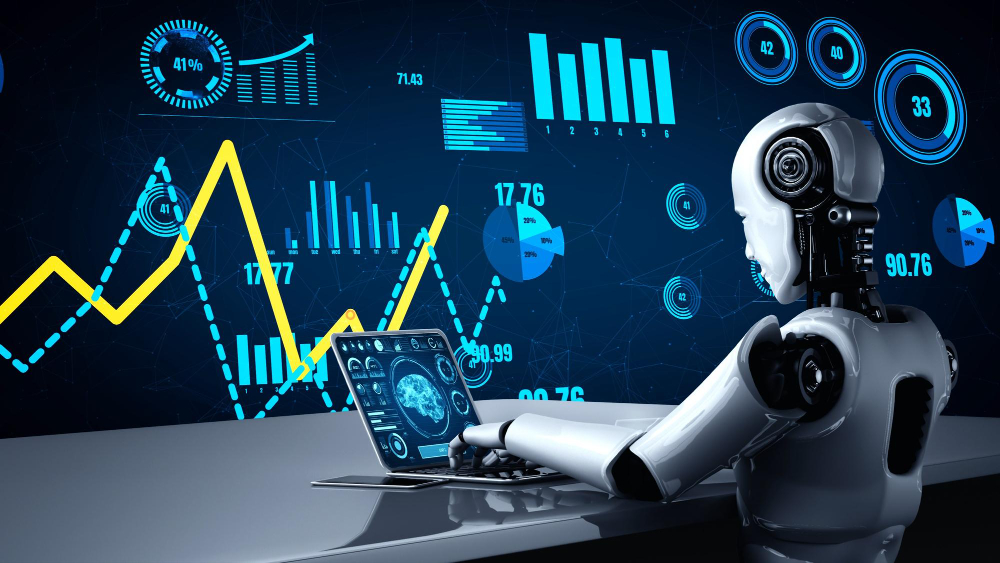
In the ever-evolving digital advertising ecosystem, Artificial Intelligence (AI) and Machine Learning (ML) have moved from buzzwords to foundational technologies, especially in the realm of programmatic ad buying. As advertisers seek more efficient, data-driven, and real-time media strategies, AI and ML are revolutionizing how programmatic platforms operate — transforming every stage from audience targeting to creative delivery and campaign optimization.
Here’s a comprehensive look at how these technologies are reshaping the future of programmatic advertising for marketers in North America, the MENA region, and beyond.
1. Smarter Bidding with Real-Time Algorithms
Traditional programmatic ad buying relies on rule-based bidding. AI and ML take this a step further by enabling automated, predictive bidding strategies that analyze thousands of data points—such as device type, location, browsing behavior, and time of day—in milliseconds. These algorithms optimize bids in real-time, ensuring maximum value per impression and minimizing ad spend wastage.
SEO Keywords: AI bidding algorithms, real-time programmatic optimization
2. Advanced Audience Segmentation and Lookalike Modeling
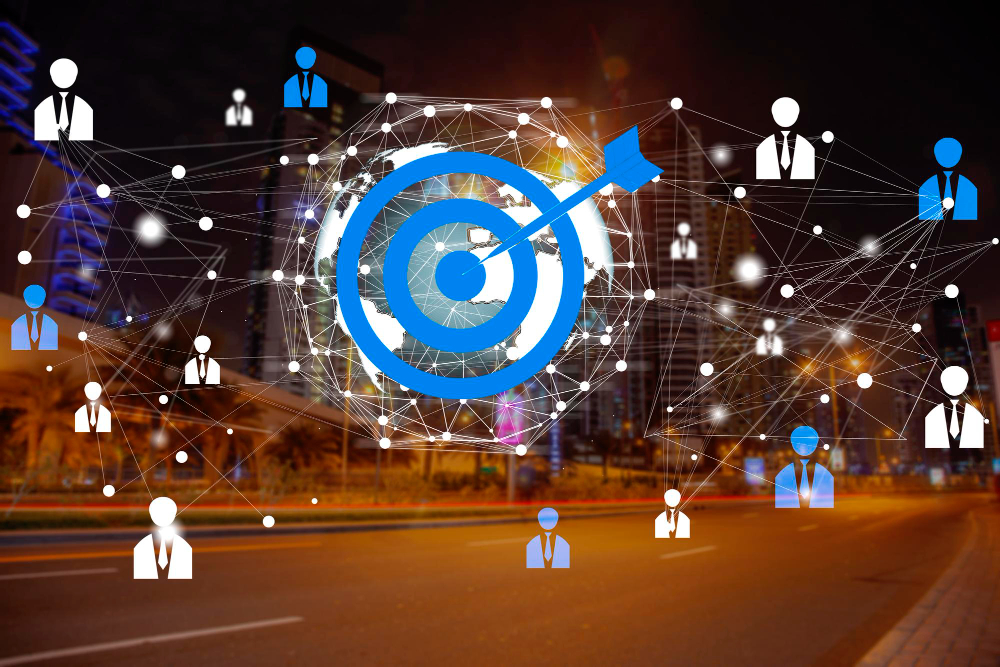
AI and ML can segment audiences far beyond age and demographics by factoring in online behavior, interests, purchase history, and psychographic signals. Machine learning models also identify lookalike audiences, helping advertisers scale campaigns to new users who exhibit similar traits to high-value customers.
This is particularly useful for multicultural markets in North America or segmented demographics across the GCC and Levant.
SEO Keywords: audience segmentation AI, lookalike modeling programmatic
3. Predictive Analytics for Consumer Intent
One of the most powerful aspects of AI in programmatic is predictive analytics. Based on historical and real-time data, ML models can predict user behavior, such as when they’re likely to convert, abandon, or re-engage.
This allows brands to not just react—but anticipate. Imagine targeting users before they start searching for travel deals or baby products, based on life-stage patterns.
SEO Keywords: predictive analytics in advertising, consumer behavior prediction
4. Dynamic Creative Optimization (DCO)
AI-powered DCO engines use machine learning to test and deliver the best combination of headlines, images, CTAs, and formats tailored to each user. As the system learns from interactions, it automatically serves the top-performing creative version.
For example, a user in Toronto might see a different version of a retail ad than one in Dubai, even within the same campaign.
SEO Keywords: dynamic creative optimization AI, personalized ad delivery
5. Fraud Detection and Brand Safety
AI is playing a pivotal role in combating ad fraud, which remains a multibillion-dollar challenge. ML systems monitor patterns to flag suspicious activity, like bot traffic, invalid clicks, or domain spoofing, in real time.
Additionally, AI-driven tools ensure brand safety by scanning publisher content, context, and sentiment, ensuring your ads don’t appear next to inappropriate or damaging content.
SEO Keywords: AI in ad fraud detection, brand safety AI tools
6. Voice and Visual Search Integration
With the rise of voice search and visual AI technologies (e.g., image recognition), advertisers can now tap into new contextual signals. AI can detect objects in images or voice cues in smart speakers and adjust ad messaging dynamically.
This opens up new possibilities in programmatic audio, CTV, and visual-based ad platforms.
SEO Keywords: visual search programmatic, voice search AI advertising
7. Cross-Device and Omnichannel Optimization
AI and ML help unify fragmented user journeys across smartphones, laptops, smart TVs, and wearables. By analyzing cross-device behavior, platforms can deliver more consistent and sequential storytelling across channels.
This ensures a cohesive experience, especially for high-frequency touchpoint campaigns such as auto, luxury, and retail.
SEO Keywords: cross-device advertising AI, omnichannel programmatic campaigns
8. Cultural and Language Intelligence
In multicultural and multilingual markets like Canada, the US, UAE, and Saudi Arabia, AI can now detect language preferences, cultural behaviors, and regional sensitivities. Campaigns can dynamically adjust content, tone, and visuals based on these inputs—making them more inclusive and effective.
SEO Keywords: multicultural programmatic AI, language targeting in advertising
9. Media Planning Automation
AI is no longer just used during execution—it’s shaping the media planning process itself. From channel selection to budget allocation, ML tools now provide data-backed recommendations based on historical performance and competitor insights.
SEO Keywords: media planning AI tools, programmatic media planning automation
10. Faster Campaign Insights and ROI Measurement
Gone are the days of waiting for weekly reports. AI dashboards provide real-time performance insights, helping marketers pivot instantly. ML also powers multi-touch attribution models, offering a more accurate understanding of the customer journey and true ROI.
SEO Keywords: programmatic ROI tracking, AI ad performance insights
Final Thoughts: Embrace the AI Evolution
AI and machine learning are not optional—they’re becoming the core engine of modern programmatic ad buying. Whether you’re a brand in Toronto targeting multicultural shoppers, or an agency in Dubai running hyper-targeted travel campaigns, these technologies offer unprecedented accuracy, scale, and personalization.
To succeed in 2025 and beyond, marketers must:
- Choose AI-first ad tech partners
- Invest in first-party data infrastructure
- Experiment with predictive and dynamic formats
- Embrace privacy-compliant AI solutions
Meta Description:
Discover how AI and ML are revolutionizing programmatic ad buying in 2025—from real-time bidding to predictive analytics, fraud prevention, and dynamic creative optimization.
SEO Keywords Recap:
- AI in programmatic advertising
- machine learning ad tech
- predictive analytics in media buying
- dynamic creative optimization
- audience segmentation AI
- brand safety and fraud detection
- programmatic advertising North America and MENA