Introduction
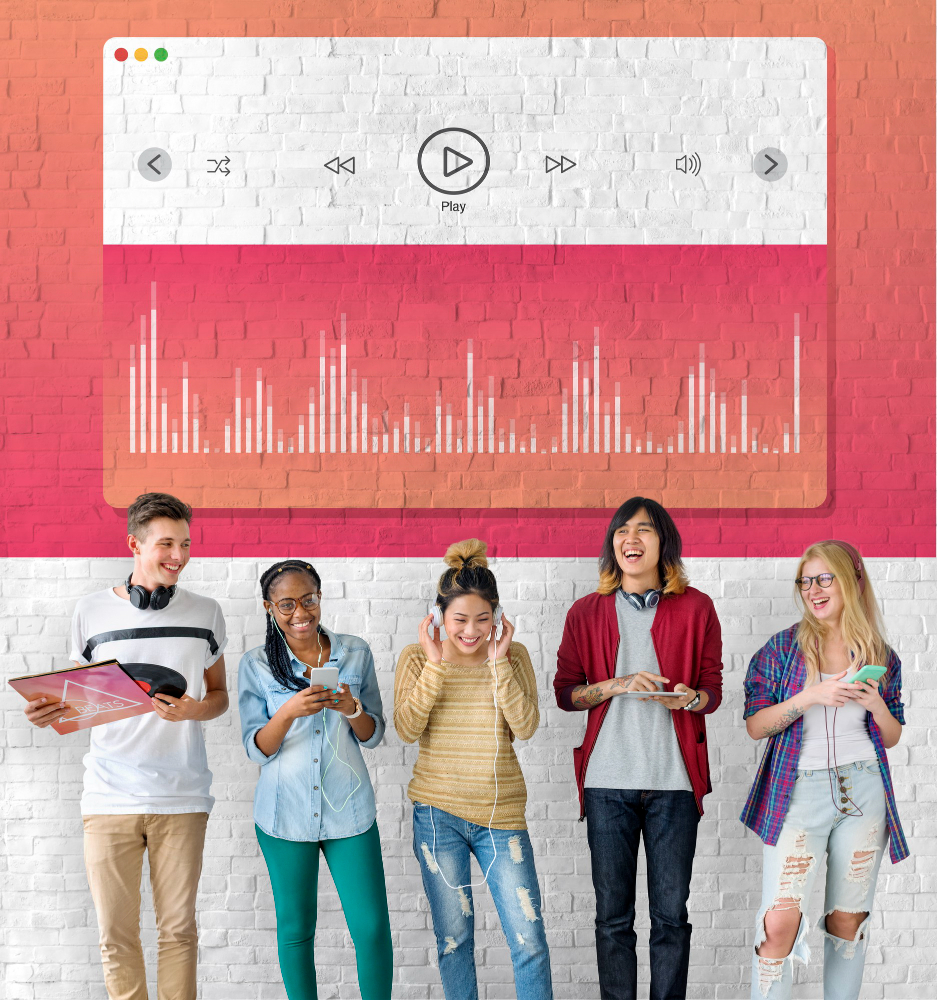
As screen fatigue rises and attention spans shorten, audio content has emerged as one of the most engaging formats for younger audiences—especially Gen Z and Millennials. With the explosion of podcasts, streaming music, and voice-assisted platforms like Alexa and Google Home, the audio ecosystem has become ripe for programmatic advertising.
Programmatic audio ads allow brands to reach highly targeted listeners across platforms like Spotify, Apple Podcasts, Amazon Music, and SoundCloud—automatically, in real-time, and at scale. In this blog, we explore how programmatic audio is transforming digital advertising, why it resonates with Gen Z and Millennials, and how to build effective campaigns.
What is Programmatic Audio Advertising?
Programmatic audio refers to the automated buying and selling of audio ad inventory through digital platforms, using data, algorithms, and audience insights. Instead of manually placing audio ads, marketers can:
Bid for ad placements in real-time
Target by demographics, location, device, and behavior
Integrate audio ads into multi-channel campaigns
Whether it’s a 30-second spot in a podcast episode or a quick audio ad between streaming tracks, programmatic audio allows advertisers to deliver contextually relevant and personalized messages to listeners.
Why Gen Z and Millennials Love Audio
1. On-Demand Culture
Both Gen Z and Millennials are digital natives who crave on-demand content. They’re turning to podcasts and music streaming as a form of entertainment, education, and escape—without the intrusion of visual clutter.
2. Multitasking Listeners
Younger audiences often consume audio while commuting, working out, cooking, or studying. Audio fits seamlessly into their daily routines, making them more receptive to relevant messages without interrupting their flow.
3. Trust in Podcast Hosts
Podcast hosts often build deep, authentic connections with their listeners. When brands advertise in a host-read format, the endorsement feels organic and trustworthy—especially for Gen Z who values authenticity.
Why Advertisers Are Embracing Programmatic Audio
1. Precise Targeting
Just like display or video ads, programmatic audio allows hyper-targeting based on:
Age, gender, interests
Listening behavior
Device type or OS
Geography and time of day
This ensures your ad reaches the right audience at the right moment.
2. Brand-Safe Environment
Audio platforms are relatively safe from ad fraud, with low bot traffic and highly curated content. This provides a cleaner, more trustworthy environment for your brand messaging.
3. High Completion Rates
Unlike skippable video ads, audio ads are often played in full. Studies show completion rates exceed 90%, giving brands a better chance to deliver their full message.
4. Cross-Device Integration
Programmatic audio campaigns can be synced with display, video, and DOOH to build multi-touchpoint brand journeys—perfect for omnichannel strategies.
Key Platforms for Programmatic Audio
Spotify Ad Studio
Offers self-serve programmatic options
Great for reaching music lovers and playlist listeners
Acast and Megaphone
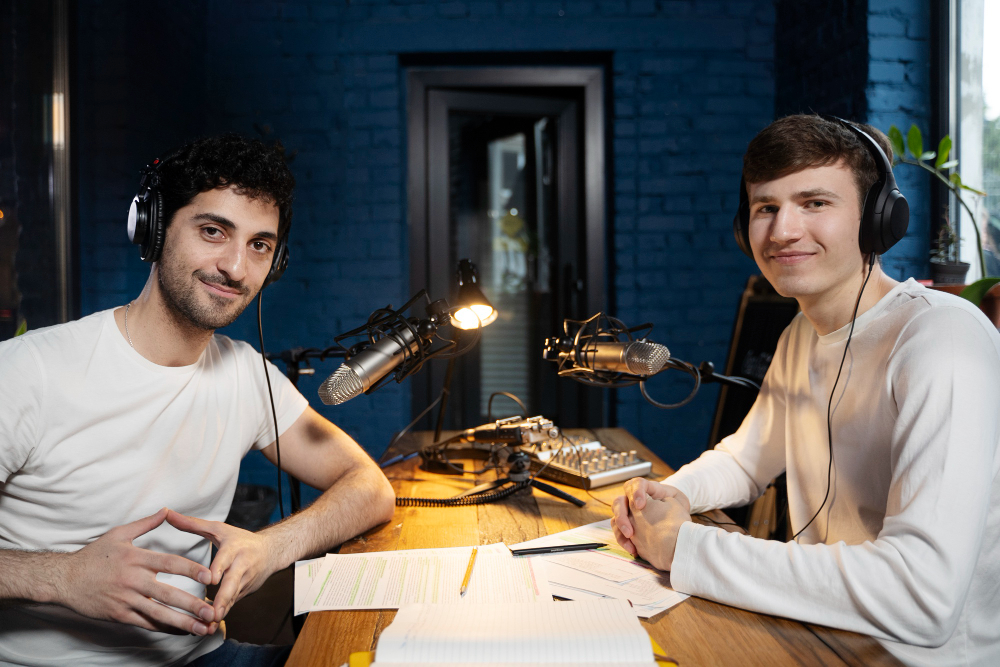
Podcast platforms offering host-read and pre-recorded ad placements
Pandora and SoundCloud
Popular among Gen Z and ideal for genre-based targeting
Amazon Music & Alexa Devices
Ideal for voice-activated ads and smart home integrations
Best Practices for Audio Ad Campaigns
1. Keep it Short and Engaging
Aim for 15 to 30 seconds with a clear value proposition. Attention spans are limited—grab the listener in the first 5 seconds.
2. Personalize Creatives
Use dynamic audio ads to tailor your message by location, time, or listener behavior. For instance, “Hey Toronto! Stay warm this winter with our new jacket collection.”
3. Optimize for Tone and Voice
Choose a voice that reflects your audience. For Gen Z, a conversational tone works better than formal language. Humor, slang, or cultural references go a long way.
4. Leverage Host-Read Ads
For podcasts, host-read ads perform exceptionally well because they feel like genuine recommendations rather than interruptions.
5. Test and Iterate
Run A/B tests on voiceovers, music beds, or CTA phrasing. Programmatic platforms allow for real-time optimization based on performance metrics.
Measuring Success in Programmatic Audio
While audio lacks the visual clicks of banner ads, it offers powerful metrics such as:
Listen-through rate (LTR)
Ad completion rate
Brand lift and recall
Attribution through pixels or retargeting
With tools like audio pixels and companion banners, you can track if a listener eventually visited your site or took action after hearing the ad.
The Future of Audio Advertising
Programmatic audio is expected to grow exponentially in 2025 and beyond, with innovations like:
Voice-enabled ads (e.g., “Say yes to get a 20% coupon”)
AI-generated voiceovers for ultra-personalized delivery
Context-aware ads based on mood or activity
For brands looking to break through the clutter and engage younger audiences where they truly listen—programmatic audio is no longer optional, it’s essential.
Conclusion
The rise of Gen Z and Millennial audiences, paired with the surge in podcasting and streaming, has made audio advertising one of the most effective digital touchpoints. By going programmatic, brands can combine the intimacy of sound with the precision of data, delivering engaging, scalable, and personalized audio experiences.
If you’re looking to future-proof your digital strategy, start by adding programmatic audio to your media mix. Your next loyal customer could already be listening.
Meta Description:
Discover how programmatic audio advertising helps brands connect with Gen Z and Millennials through podcasts and music streaming. Learn key strategies and platforms in this 700-word blog.
SEO Keywords:
programmatic audio advertising, Gen Z audio ads, Millennials streaming ads, Spotify programmatic ads, podcast advertising, dynamic audio ads, programmatic ad trends 2025